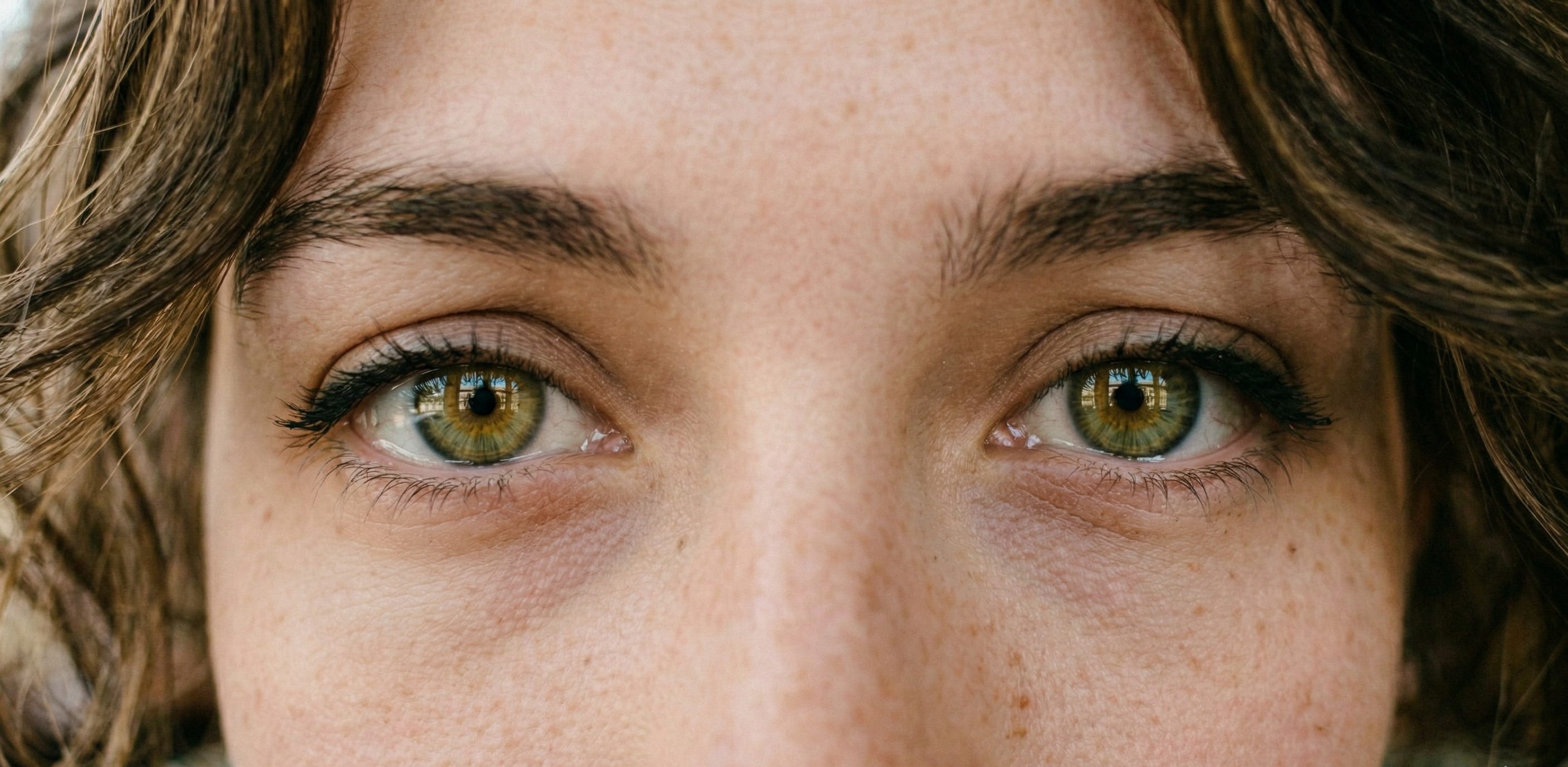
We See You
"Our lives are fashioned by our choices. First, we make our choices. Then our choices make us." - Anne Frank.

We see you.
Not in the way you are used to hearing it. Not as a reassurance. Not as a promise of protection or belonging. Not as the language of movements that tell people they are not alone.
No. We see you as you are choosing to be.
We see you in the comments, repeating lines you did not write but now carry as if they were your own convictions. The same phrases, the same talking points, the same rehearsed outrage. We see you reduce human lives to punchlines you believe are clever, as if cruelty becomes acceptable when it is wrapped in certainty.
We see you when you call people “illegals,” when you dismiss suffering as exaggeration, when you suggest that those who defend others must be paid, must be lazy, must be performing. As if the only reason to stand for someone else is that you have nothing better to do.
We see you.
We see your profile pictures. Your grandchildren sitting on your lap. Your family gatherings. The version of you that smiles, that is patient, that is kind within the boundaries you have drawn around who deserves that kindness.
We see the contradiction edged in every insult, in every ugly digital utterance.
We see you speak about values, about hard work, about decency, about respect. And then we see you step outside of those words the moment they are tested by someone who does not look like you, speak like you, or belong, in your mind, where you believe they should.
We see you choosing who counts.
We see you when you scroll past what is happening and decide that it is easier to doubt it than to confront it. When you share half-formed articles, fragments of information that allow you to stay comfortably uncertain. Not enough to deny, but enough to avoid responsibility.
We see your silence too.
We see how carefully you manage it. How you say nothing when it matters, how you wait, how you measure the moment. How you convince yourself that restraint is neutrality, that distance is objectivity, that not taking a stance is somehow a stance in itself.
We see your fear in this, even if you do not call it such.
Fear of standing apart. Fear of saying something that will cost you. Fear of being seen differently by those around you. Fear of losing comfort, status, belonging. But fear does not erase consequence. And silence is not empty. It fills the space where something should have been said.
And we see you in that space too.
We see you, politicians, reducing everything to process. You hide behind language like “this is how politics works,” as if that phrase absolves you of the need to decide what is right. We see you perform balance while people’s lives are being reshaped in ways that cannot be undone. We see you choosing the safety of the game over the responsibility of the moment.
We see all of it, and we refuse to pretend we do not see what is happening in plain sight.
Because you are not invisible in your choices. Not online. Not in your communities. Not to the people who know you. Not to the people who will one day ask questions about what this moment looked like, and who stood where.
We see you becoming something. And you may still call it civility. You may still call it common sense. You may still call it patriotism or order or realism.
But what you call it does not change what it is.
There is a version of you that believes itself to be decent. That believes it stands on the right side of things. That believes it would recognize injustice if it were truly happening.
We see how far that version has drifted from what you are willing to accept. You are being seen not for what you say you are, but for what you are willing to tolerate, repeat, and defend.
And history, communities, and even the people closest to you will not remember your intentions. They will remember your actions and words in moments like this.
We see you. And whether you ever choose to admit it or not, so will others.